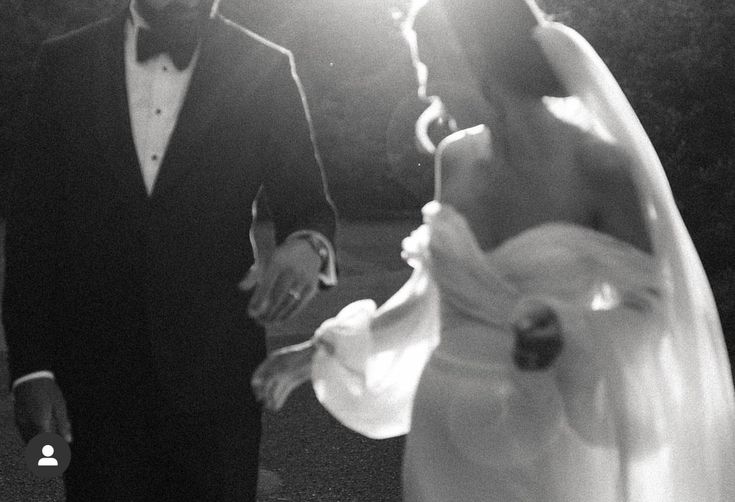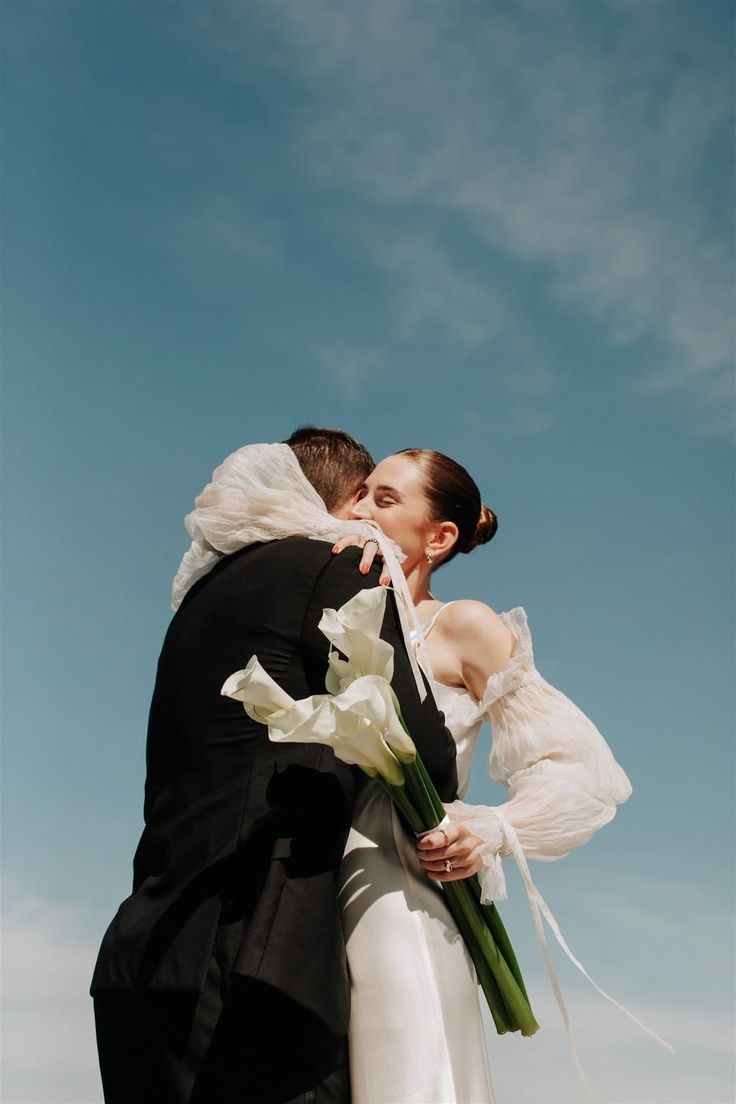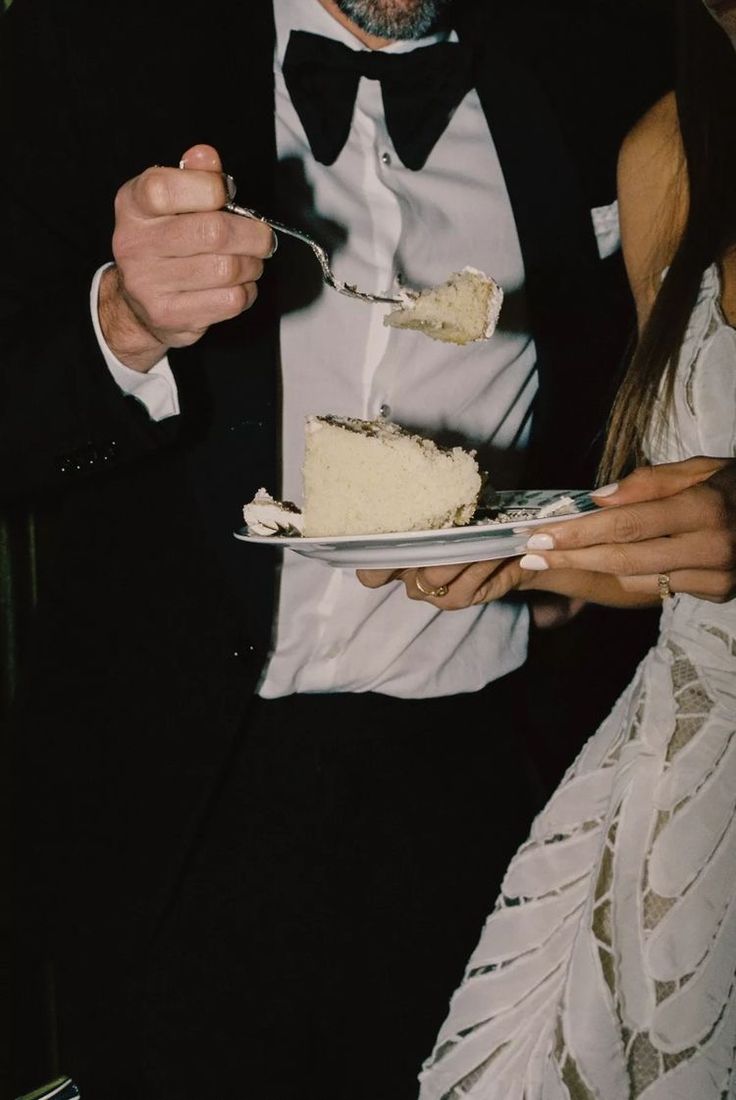
The first question people ask me, after they have decided they might want to hire me, is almost always about timing. How long is the session? Is two hours enough? Can we do one hour? And the real answer, the one I don't always give up front because it sounds a little strange out loud, is: I have no idea. I don't really think in sessions. I think in stories. And a story takes as long as it takes.
I did not always work this way. For the first three years of my career, I ran my business like most photographers do, because that is how I was taught. Ninety-minute sessions, two locations, forty edited images. A clean menu with clean numbers. It made sense. It was easy to quote. It was easy to book. It also, quietly and slowly, started making me miserable, for a reason I couldn't name for a long time.
What a Session Is
A session is a unit of time. It's a container shaped by a clock. You show up. You set up. You shoot. You pack up. You go home. The clock hits ninety minutes, and whatever has happened has happened. Whatever hasn't, won't.
What I started to notice was that the most interesting things, the real things, the pictures I actually wanted to make, were not happening inside the ninety minutes. They were happening at the edges. Before the session officially started, while we were still walking to the first spot, while a dad was still quietly fixing his son's shirt, while a couple was still finishing a joke from the car. Or after, when the camera was technically down but the kids had just discovered a lizard and their mother was laughing the kind of laugh she does not laugh on purpose for a picture.
What a Story Is
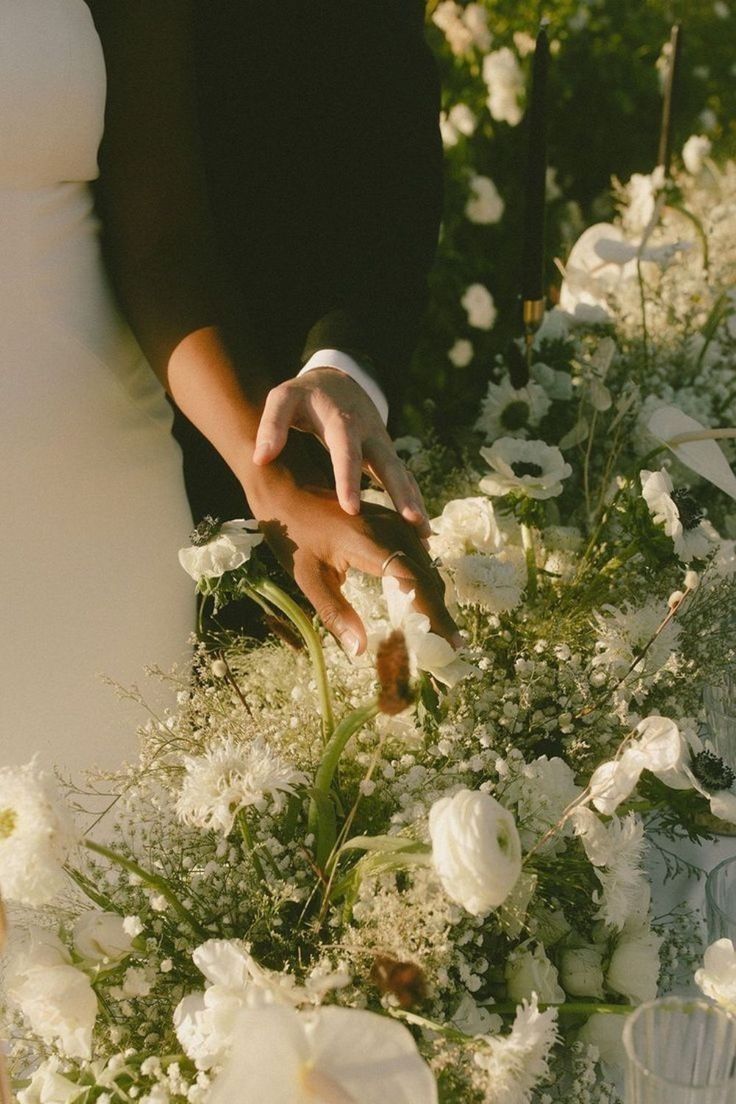
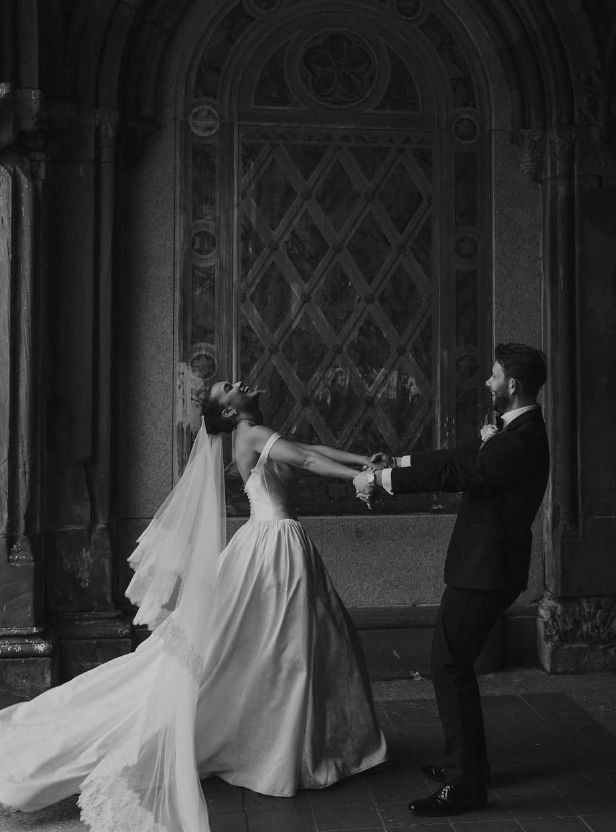
A story is not shaped by a clock. It's shaped by a shape. A beginning, a middle, and an end. An arrival, an unfolding, a goodbye. I started thinking about my work this way, and almost everything got easier. Not logistically easier. Spiritually easier. I stopped negotiating with my own attention. I stopped watching the clock. I started asking couples, instead of "what locations do you want?", to tell me about their Sunday mornings. What they make for breakfast. Which of them is the first to get up. Whose side of the bed the dog sleeps on.
Some of those answers turn into sessions that look like the sessions I used to do. Some of them don't. I have photographed a couple making sourdough in their pajamas for two hours without taking a single wide-angle shot. I have photographed a man reading a newspaper in the window seat of his grandmother's house for twenty minutes without asking him to so much as glance up. These are, I am going to say it plainly, some of my favorite pictures I have ever made.
I am not trying to make you look your best. I am trying to make you look your truest. Those are very, very different assignments.Something I find myself saying a lot
What This Means for You
In practical terms: if you hire me, I will probably ask you a lot of questions that don't feel like photography questions. I will ask about songs. About how you met. About which coffee shop you go to when you are fighting and need a neutral table. I will probably arrive earlier than you expect, and I will almost certainly leave later. I will take pictures of things that feel, in the moment, like they can't possibly matter, the way your hand rests on the small of his back in the kitchen, the pile of shoes by the door, the way your dog watches you from one specific chair.
And when I deliver the gallery, a month later, you will open it and you will find, scattered among the "real" pictures, all of those small things. You will realize, slowly, that those are the real pictures. That the posed ones are the ones that look the way you thought you wanted to look, and the small ones are the ones that look the way you actually were. You will cry, I suspect, at least once. Everyone does.
Why I Think This Matters
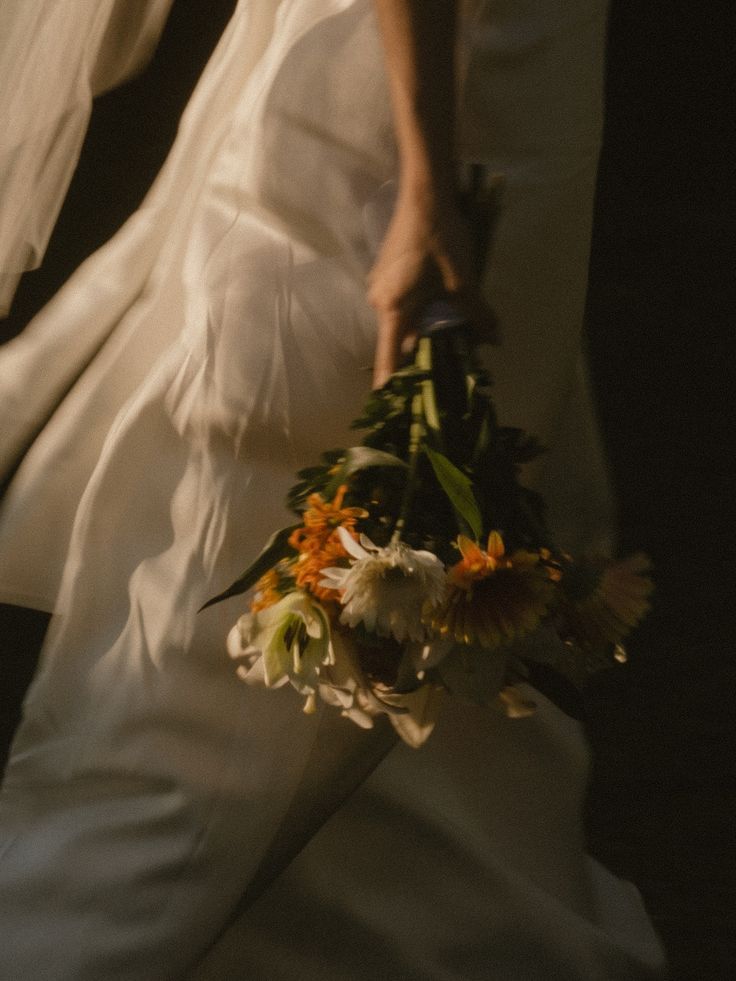
Here is my quiet theory. The world is full of images of people who look perfect. Instagram is full of them. Magazines are full of them. The reason they don't hold, the reason they scroll past and dissolve, is because they don't have a story attached to them. They're not photographs of people. They're photographs of poses.
A photograph of a story, on the other hand, is a small magic trick. It reaches into your chest twenty years from now and presses on something tender. It reminds you of a particular afternoon you had almost forgotten about. It tells a kid who hasn't been born yet what her parents were like when they still thought of themselves as young. A session is a product. A story is a small piece of permanence. I know which one I want to spend my whole life making.
So. If you are here because you are considering working with me, please know this before you ever fill out the form. I am not a quick option. I am not an efficient one. I am slow, I am nosy, I am going to ask you weird questions, and I am going to care, quite a lot, about getting it right. If that sounds like a match, I would be so honored to hear from you. And if not, that is okay too. There are a lot of us out here. Go find the one who photographs the way your story asks to be told.
Estelle Reeves
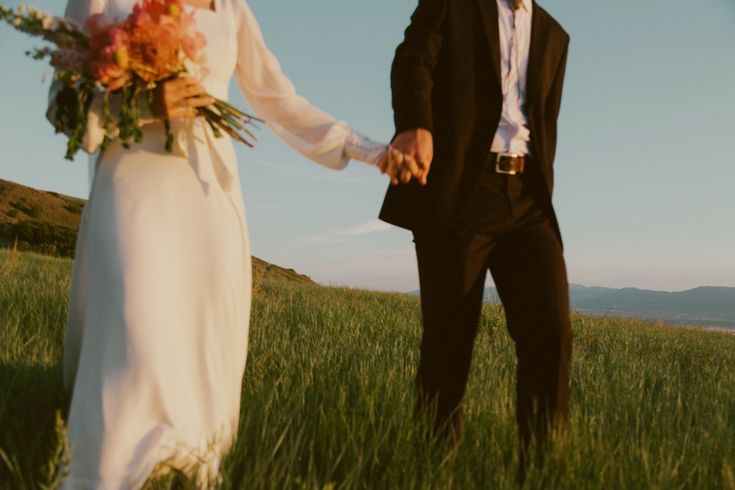
Portrait and editorial photographer based in Nashville, with a soft spot for mountain elopements and couples who are a little bit weird about their dog. I photograph quiet, slow, honest days.