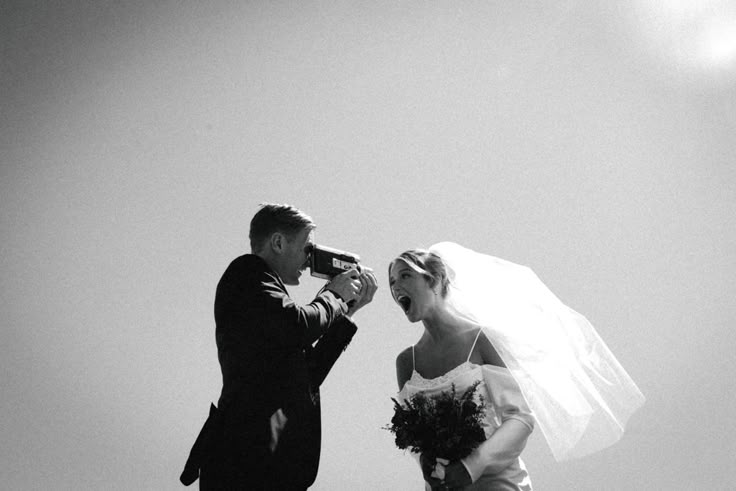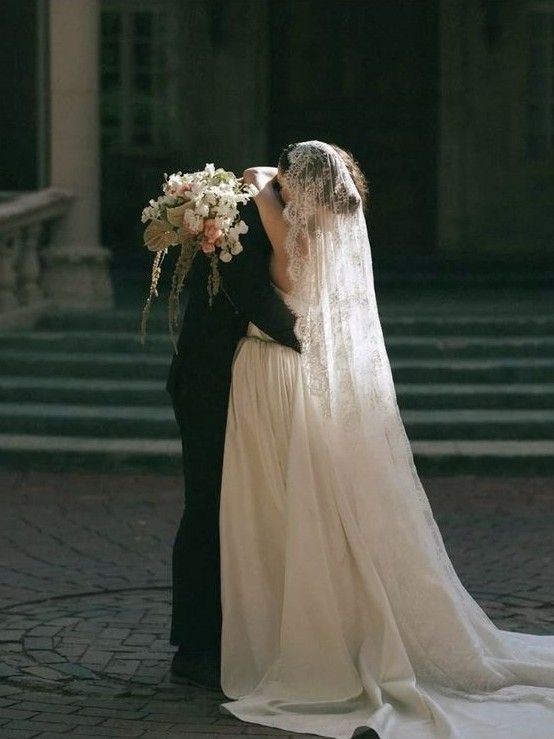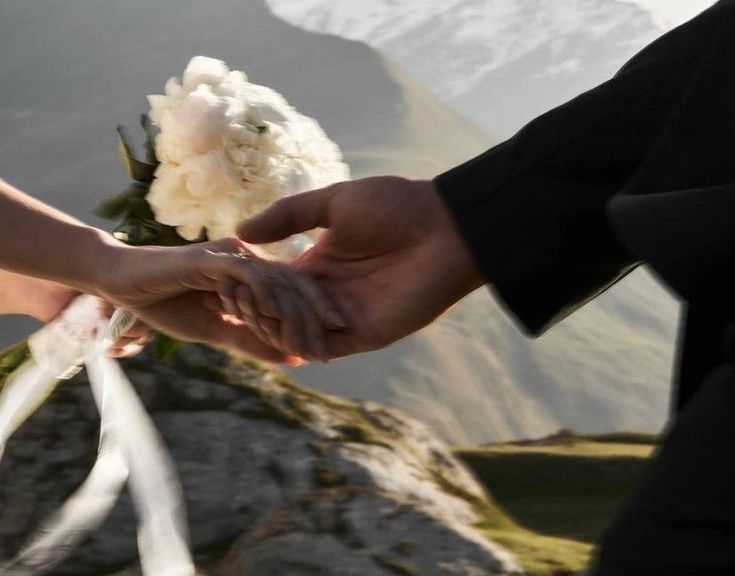
I remember the first time I held a roll of developed film from a wedding I had photographed. It was a small elopement in Big Sur, just the two of them and the fog and the sound of waves crashing below the cliff. I had shot the entire ceremony on my Contax 645 alongside my digital camera, and when the scans came back two weeks later, I sat at my desk and cried. Not because anything had gone wrong, but because the film images had captured something my digital files had not. Something I still struggle to name.
It has been four years since that afternoon, and film has become an essential part of how I work. Not as a replacement for digital, which remains my primary tool, but as a companion to it. A slower, more intentional counterpart that produces images with a quality I can describe but never quite replicate in post-processing. This is my case for why film still matters, even now, especially now.
The Quality of Light
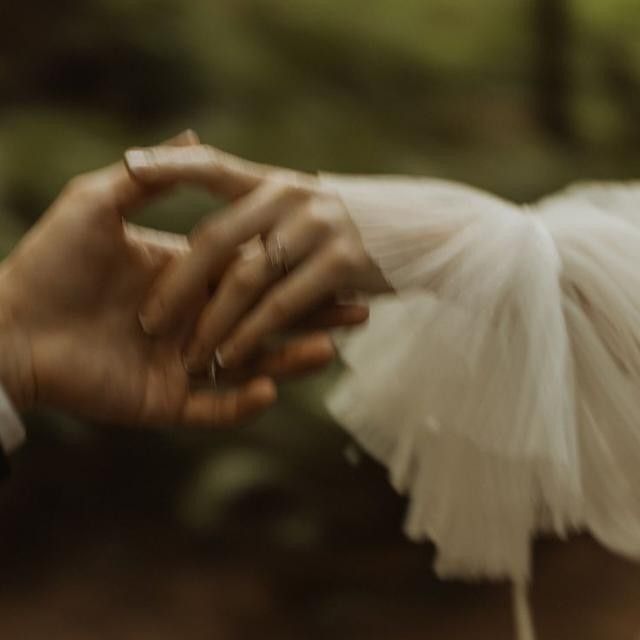
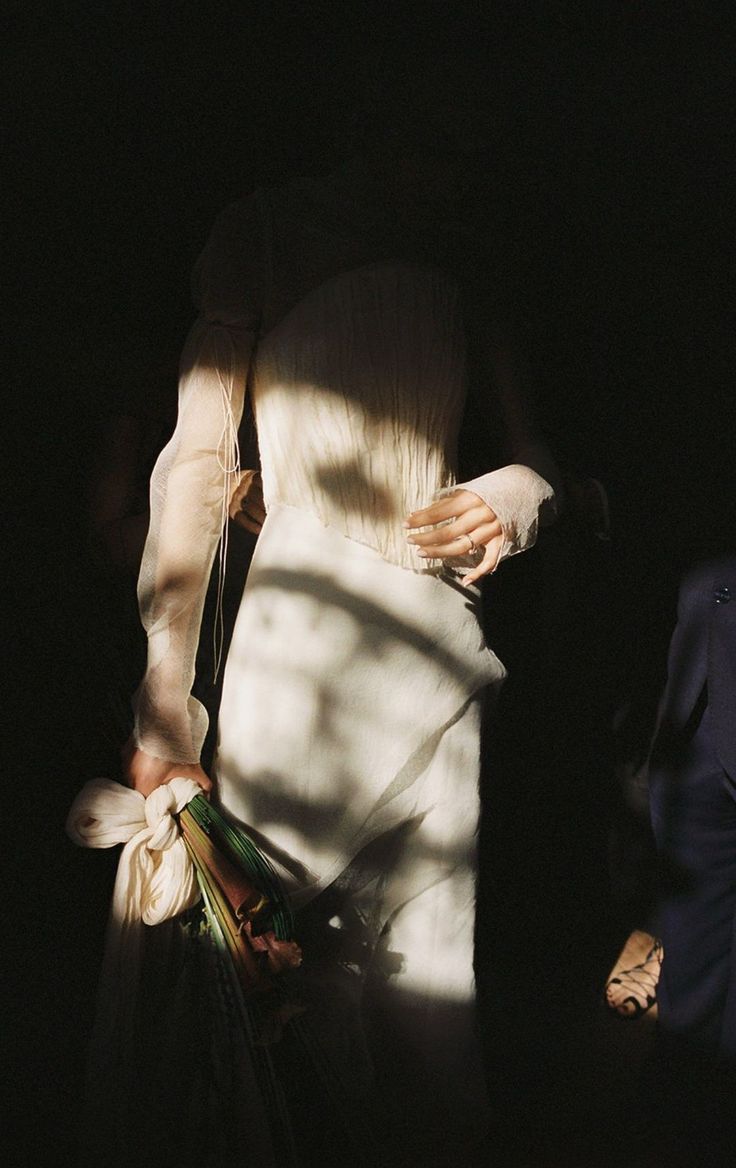
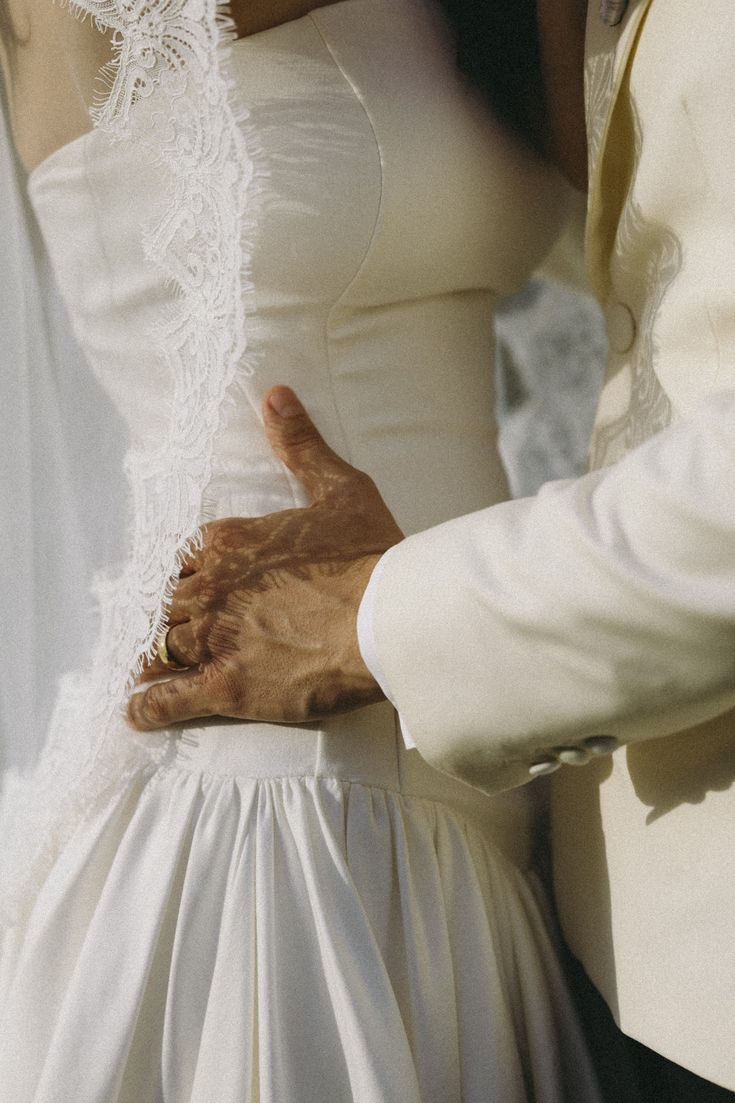
Film handles light differently than digital sensors. This is not a subjective claim or a matter of nostalgia. It is physics. Film emulsion responds to light in a non-linear way, compressing highlights gently rather than clipping them abruptly. The result is a tonal range that feels warmer, softer, and more forgiving. Skin tones glow. Whites retain detail even when the sun is pouring through a window. Shadows carry a quiet richness instead of going flat or noisy.
The color palette of film is also distinct. Portra 400, which is my stock of choice for most wedding work, renders warmth without pushing it. Greens lean toward sage rather than neon. Reds deepen into burgundy. The overall effect is a palette that feels inherently romantic, as though the film stock itself was designed for the subject I photograph most: love.
Digital cameras can approximate these qualities, and many presets attempt to do so. But there is a dimensionality to true film images that comes from the grain structure itself, from the way silver halide crystals scatter and overlap in ways no algorithm can perfectly recreate. It is the difference between a painting and a print of a painting. Both are beautiful, but only one has texture you can almost feel.
“Film teaches you to trust the moment. There is no chimping, no deleting, no second-guessing. You compose, you breathe, you press the shutter, and you let go.”
GenevieveThe Discipline of Limitation
A roll of medium format film gives you 16 frames. That is not a typo. Sixteen chances to get it right, compared to the thousands of frames a digital card can hold. This limitation, which at first felt terrifying, has become one of the most valuable aspects of shooting film. It forces you to slow down. To look before you shoot. To wait for the right moment rather than spraying and hoping.
When I raise the Contax to my eye during a ceremony, I am not firing continuously. I am watching. I am waiting for the exact instant when emotion crosses a face, when the light aligns, when the composition resolves into something true. And because each frame costs real money and cannot be deleted, I am more present. More careful. More connected to what is happening in front of me.
This discipline has improved my digital work, too. Shooting film regularly has trained me to be more intentional with every camera I pick up. I take fewer frames overall and keep a higher percentage of them. My editing time has decreased. My hit rate has increased. The constraint of film made me a better photographer in every format.
The Waiting
In our culture of instant gratification, there is something radical about not seeing your images for two weeks. You cannot review them on the back of the camera. You cannot adjust your approach based on what the screen shows you. You have to trust your eye, your meter, your years of practice, and then you have to wait.
That waiting period is surprisingly meaningful. When the scans arrive, you see them with fresh eyes. The emotional charge of the day has settled, and you can evaluate the images on their own terms. Often, the ones you thought were throwaway frames turn out to be the most powerful. The slightly soft focus, the imperfect framing, the accidental double exposure. Film rewards the happy accidents that digital workflows would delete.
An Heirloom Medium for Heirloom Moments
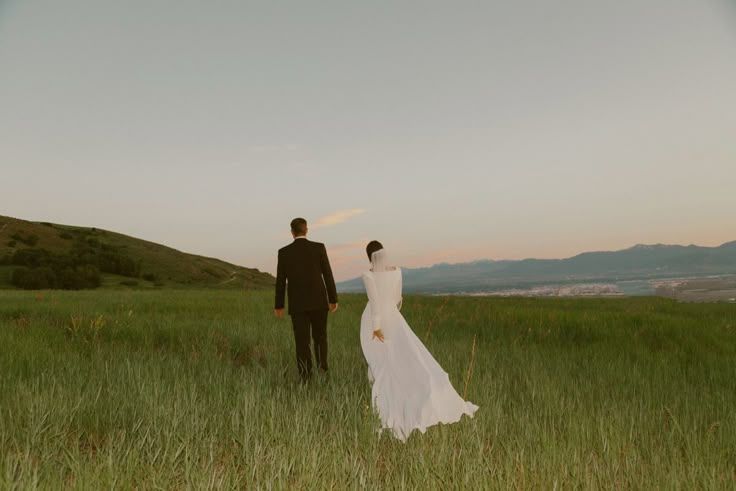
There is a philosophical argument for film that goes beyond aesthetics. Weddings are about legacy. They are about the creation of a family, the joining of histories, the beginning of a shared story. The images from that day will be passed down. They will sit in albums and on mantlepieces. They will be the way your grandchildren first see you.
Film negatives, stored properly, last over a century. They do not corrupt, they do not require software to open, and they do not become obsolete when a file format changes. A negative from 1920 can be printed today with the same quality as the day it was developed. There is a permanence to film that feels appropriate for the permanence of the commitment it is documenting.
I am not suggesting that digital files are disposable. Backed up properly, they will endure. But there is something poetic about documenting a timeless promise on a timeless medium. It feels right. It feels intentional. And intentionality, I believe, is at the heart of everything worth doing.
“A photograph made on film carries weight. You can feel the care in it, the patience, the deliberateness. It asks to be held, not scrolled past.”
GenevieveFilm is not for every photographer, and it is not for every client. It requires an investment of time and money that not everyone is prepared for. But for those who value the handcrafted, the intentional, and the timeless, it remains one of the most beautiful ways to tell a story.
If you are curious about adding film to your wedding coverage, I would love to talk about what that looks like. Visit my contact page or explore my investment guide to learn more.